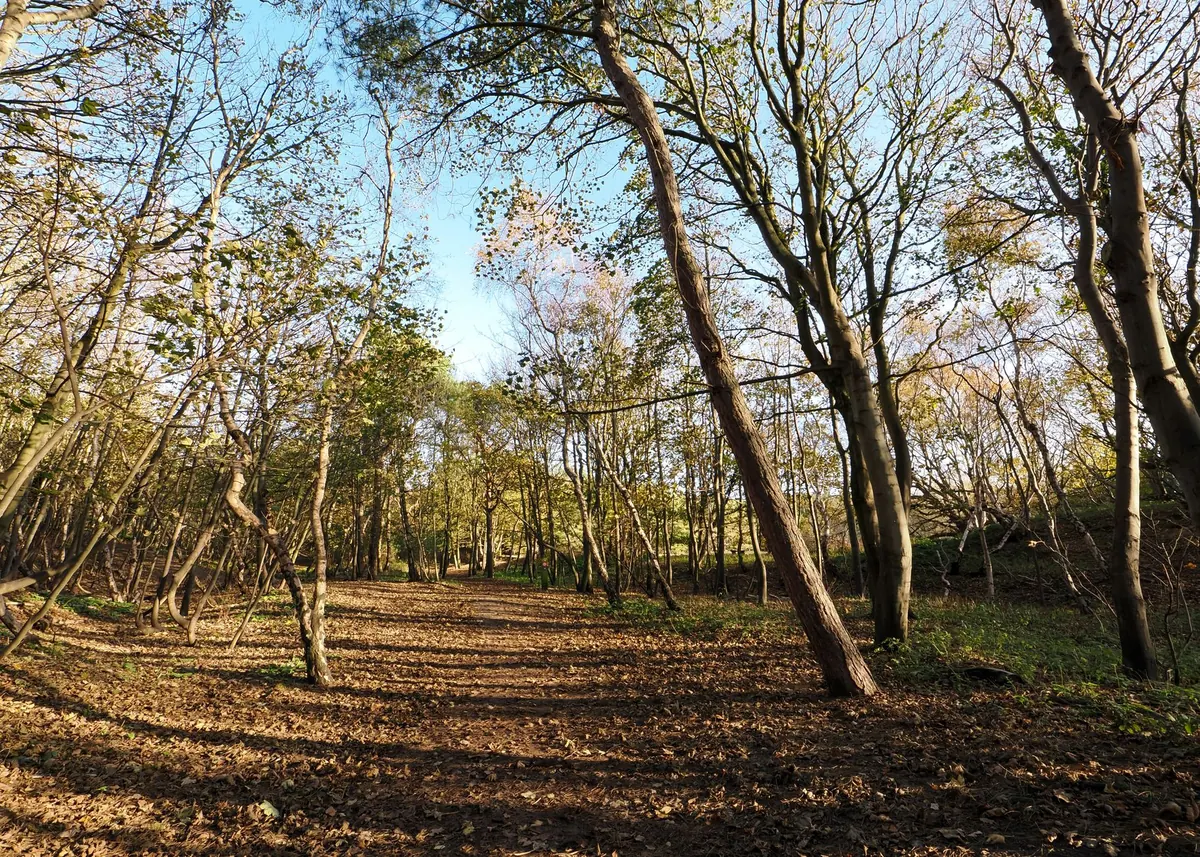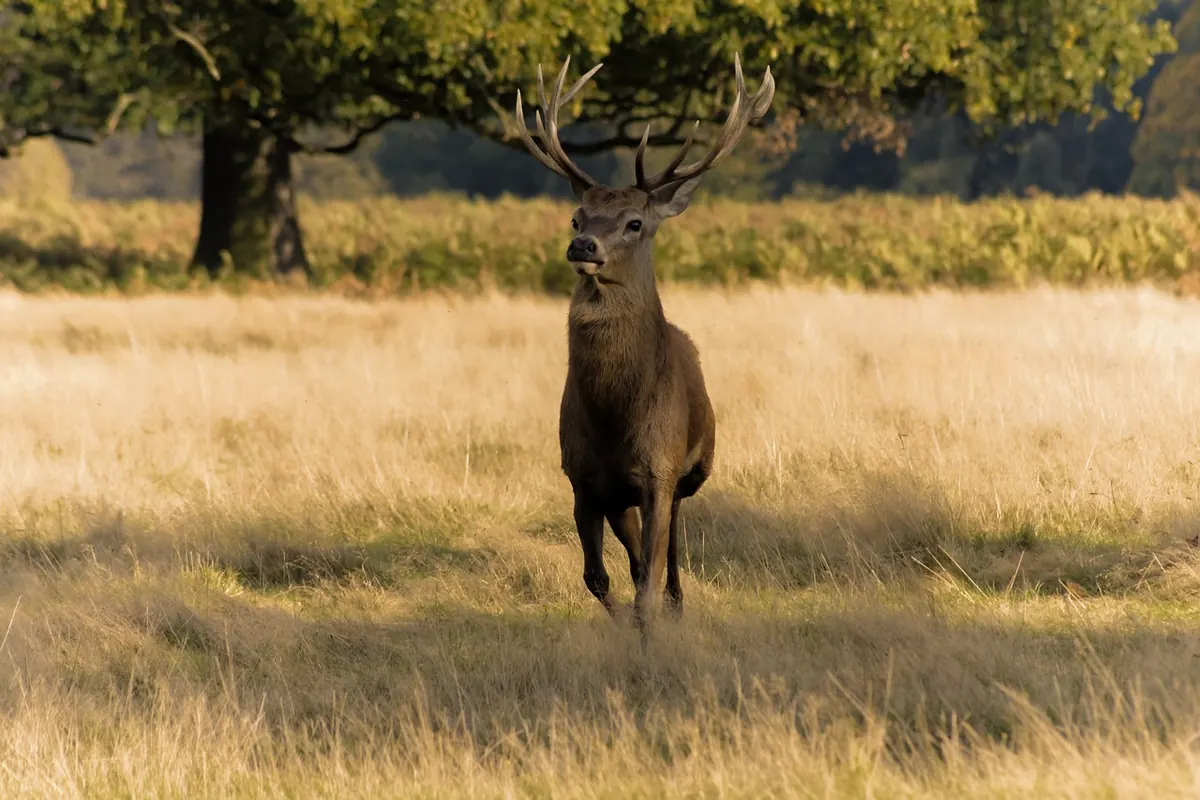


A few acres of hazel and oak can feel like a gift and a puzzle in equal measure. You walk the boundary in spring, notice the bluebells and the ash dieback, wonder whether that crowded stand of birch ought to be thinned, and promise yourself you will look at it properly one weekend. A management plan is that weekend, written down. Simply: what you have, what you want from it, and the jobs that get you there.
It does not need to be a glossy document produced by a consultant. For most small woods, five honest pages beat forty pages of borrowed jargon.
What a woodland management plan actually is
Strip away the terminology and a plan contains three things. A description of the wood as it stands today. A set of aims you have chosen deliberately. A schedule of work, with rough dates and rough costs attached.
Where a plan is prepared for grant support, it usually follows a template set by the relevant forestry authority. That template tends to cover the site description, a long-term vision, management objectives and a work programme for the next five or ten years. Useful headings, but they are a scaffold rather than a rule. If you are writing for yourself, you can use the same bones and skip the formality.
Include the practical context as well as the ecology: where the boundaries run, who owns the neighbouring land, where the access track floods, whether the wood sits within a Site of Special Scientific Interest or an ancient woodland inventory, and whether any trees carry a Tree Preservation Order.
Who needs one, and who will be glad of one anyway
A small wood of a hectare or two rarely requires a formal plan by law. In practice, though, there are several points at which having one makes life considerably easier:
- You want to apply for grant funding, since most woodland support schemes expect an approved plan.
- You plan to fell more than a small volume of timber and need permission first.
- The wood sits inside a protected site, where consent from the relevant statutory body is required for operations.
- You are thinning commercially and want a clear record of what was taken and when.
- You intend to sell the wood, or hand it on to family who will need to know how it is managed.
- You want to do something specific — firewood, wildlife, a path network, a future oak crop — and would rather not improvise for a decade.
Before cutting anything beyond a modest volume, check the felling rules. Permission is usually required, and the thresholds and paperwork differ between England, Wales, Scotland and Northern Ireland. Contact the Forestry Commission, Natural Resources Wales, Scottish Forestry or DAERA, or take local professional advice, rather than assuming.
Start with aims, not with paperwork
Most plans fail at this point because the aims are vague. "Improve the woodland" tells you nothing about whether to plant, thin, fence or leave the place alone.
Write three to five aims as short sentences, then rank them. Good examples are specific enough to argue with: produce two years of firewood from the birch block; keep the wet flush clear for the orchids recorded there; open a circular path that stays walkable in winter; establish a mixed oak and hornbeam stand in the south-east corner.
Aims will sometimes conflict, and that is fine — but be honest about which wins. If the ground flora is the priority, heavy machinery in a wet autumn is off the table. Ranking your aims is what turns them into decisions.
Survey what is there before deciding what to do
Walk the wood with a notebook and a rough sketch map. Mark compartments on the sketch — blocks of similar character, perhaps five or six in a small wood — because almost every later instruction will refer to them.
Record the things that will shape your decisions: tree species and age structure, how much light reaches the ground, shrubs and ground flora, standing and fallen deadwood, wet ground and ditches, boundaries, fences, gates and tracks. Note invasive species such as rhododendron or Himalayan balsam, and any hazards near paths or boundaries.
Look for the human history too. Old banks and ditches, charcoal platforms and coppice stools all suggest how the wood was worked, and often point towards what will suit it again. Use a phone to log coordinates, or simply pace distances from a known corner.
Survey in more than one season. Summer shows you the canopy and what is flowering; winter shows you the structure, the wet patches and the trees you did not realise were there.
Turning surveys into a thinning schedule
Thinning is the operation that puzzles new owners most, and the principle is simpler than the vocabulary. Trees crowded together compete for light and water. Removing the poorest stems — suppressed, forked, rubbing or damaged — gives the best ones room to grow. Take out the worst, leave the best, and work in light passes rather than one heavy cut. Mark the trees to be kept with a ribbon before anyone starts a saw.
A rough five-year programme is enough for most small woods:
- Year one: secure boundaries and gates, sort access, deal with obvious safety hazards near paths, and complete your baseline survey.
- Year two: widen rides or clear the first thin in the densest compartment.
- Year three: plant or beat up gaps, coppice a small coupe, check how regeneration is responding.
- Year four: second thin where growth is still crowded; review the wet areas and deadwood.
- Year five: walk it all again, compare with your notes and photographs, and revise the schedule.
Leaving an area entirely alone is a legitimate prescription. So is retaining some standing deadwood, which supports insects, fungi and woodpeckers. A plan that says "no intervention here until further notice" is a plan doing its job.
Funding, permissions and the bits in between
Grant schemes change, so check the current offer rather than relying on what a neighbour did three years ago. In England, woodland management plan grants have been available through Countryside Stewardship; Scottish Forestry, Natural Resources Wales and DAERA run comparable support. An approved plan is often the entry point, which is precisely why writing one is worth the effort.
Two permissions deserve a mention. Felling generally needs approval beyond a small volume, and operations inside a protected site may require consent. Separately, bats and their roosts, and nesting birds, are legally protected, which affects when and how work can be carried out. If any of that applies to your wood, take professional advice before scheduling the work.
Finally, think about insurance and public liability if you open the wood to walkers, and tell your insurer about any machinery or contractor activity.
Keep records as you go
A plan is only alive if it is annotated. Keep a notebook in the shed or a note on your phone and jot down what was done, where, when, by whom and roughly what it cost. Add what happened afterwards: which stumps resprouted, which planted whips survived, where the ride stayed muddy.
Photographs beat prose. Choose four or five fixed points, stand in the same spot each season and take the same picture. A folder of these images will tell you more about change in your wood than any amount of writing.
Writing your own: a practical starting point
An afternoon will get you a first draft. One page of description, one page of aims, two pages of schedule and a place to keep records. Print it, put it somewhere you will actually see it, and review it once a year.
Templates are available from the forestry authorities and several woodland charities, which saves you inventing headings. A walk round the wood with someone who knows the local area — a woodland group, a neighbouring owner, a Wildlife Trust volunteer — will sharpen your survey faster than any book. Start with what you can see and what you want, accept that the plan will be wrong in places, and revise it as the wood tells you otherwise. A plan that sits on a shelf is not a plan; one with muddy fingerprints on it is.