
Few things are more satisfying than bringing a neglected wood back into good heart. You can see the potential: the old coppice stools, the overgrown ride, the wet corner that never dries. The temptation is to get stuck in with a chainsaw and a plan. But a wood is not a garden. It has its own history, hydrology and inhabitants, and it will forgive some mistakes more readily than others. These are the seven most common mistakes, and the practical ways round them.
1. Over-thinning
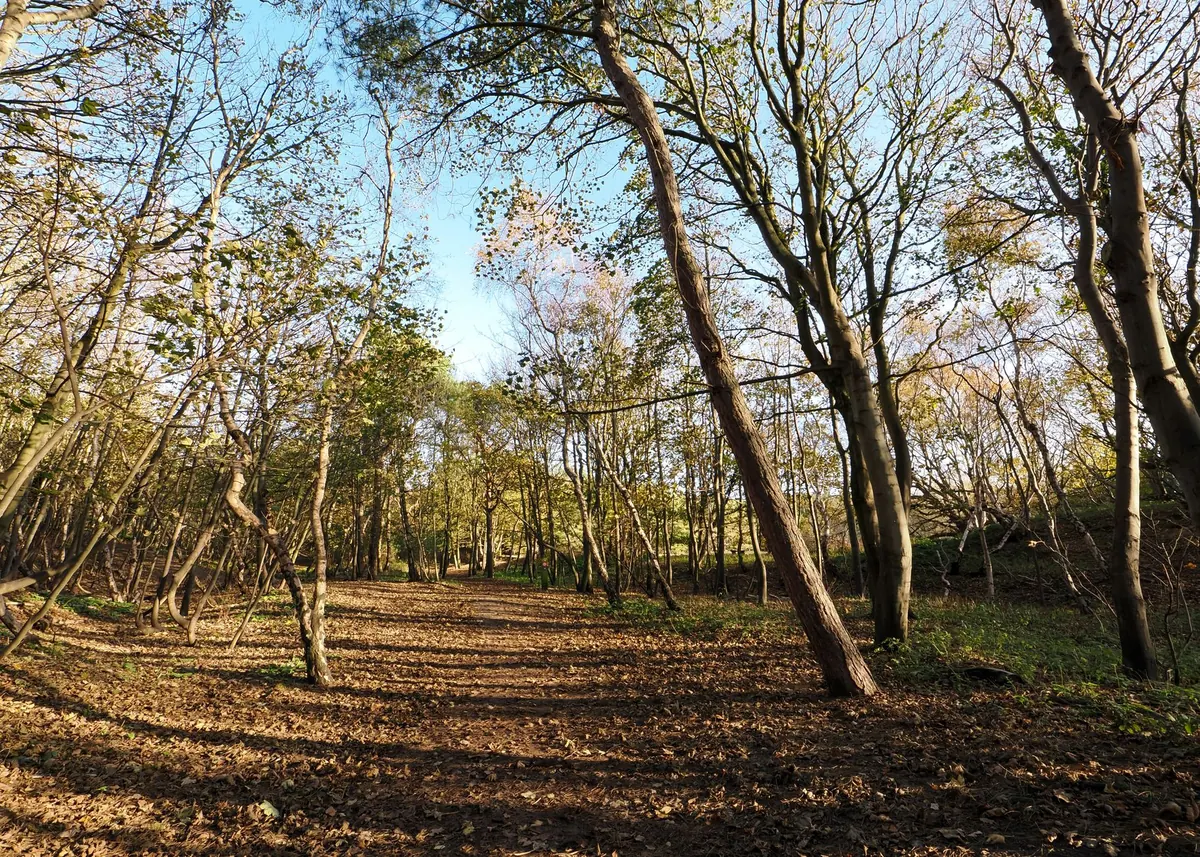
After years of shade, a wood can look crowded. It is easy to remove too many trees in one go, especially if you are keen to see light on the ground. The result is often a tangle of bramble and bracken, windblown edge trees, and a drying leaf litter that suits neither woodland flowers nor fungi. Thin lightly and repeatedly. Work from below, taking out suppressed, damaged and competing stems rather than the biggest trees. Mark the trees you want to keep—oak, birch, wild cherry, and ash where it is healthy—and leave the rest until the wood has responded. If you are unsure, treat a small area first and watch it for two growing seasons.
2. Tidying deadwood
Deadwood is not waste. Standing dead trees, fallen logs and brash piles support beetles, fungi, bats and birds. A tidy wood is a poor wood for wildlife. Leave deadwood in place where it is safe to do so, especially away from paths, boundaries and roads. If a tree is dangerous, take professional advice and deal with the risk, but keep the timber on site. Create log piles in shade, leave some brash in mounds, and allow ivy to grow on older trunks. The main exception is where deadwood is blocking a ditch or a path; move it, but do not burn it.
3. Ignoring drainage and hydrology
Water is the most overlooked part of woodland restoration. Old ditches, culverts and drains may be blocked, or they may be doing harm by drying out wet flushes that support sphagnum, willow and alder. Do not dig new drains as a first response. Walk the wood in heavy rain and just after it. Note where water sits, where it flows and where it emerges. Clear only obvious blockages, keep machinery out of wet ground, and leave natural wet hollows alone. If the site has a history of drainage, get advice from a woodland or conservation adviser before changing it.
4. Treating the wood as a blank canvas
Clearing everything and replanting may feel decisive, but it destroys the seed bank, soil structure and fungal networks that make a wood work. Many neglected woods already contain the species you want, waiting for light. Survey first. Look for ancient woodland indicators such as bluebells, wood anemone, dog's mercury and wild service tree. Check for natural regeneration: oak seedlings, hazel stools, holly, birch. Then decide where planting is genuinely needed. If you do plant, use local provenance stock and keep areas of natural regeneration. The wood's own memory is usually better than a catalogue.
5. Ignoring browsing pressure
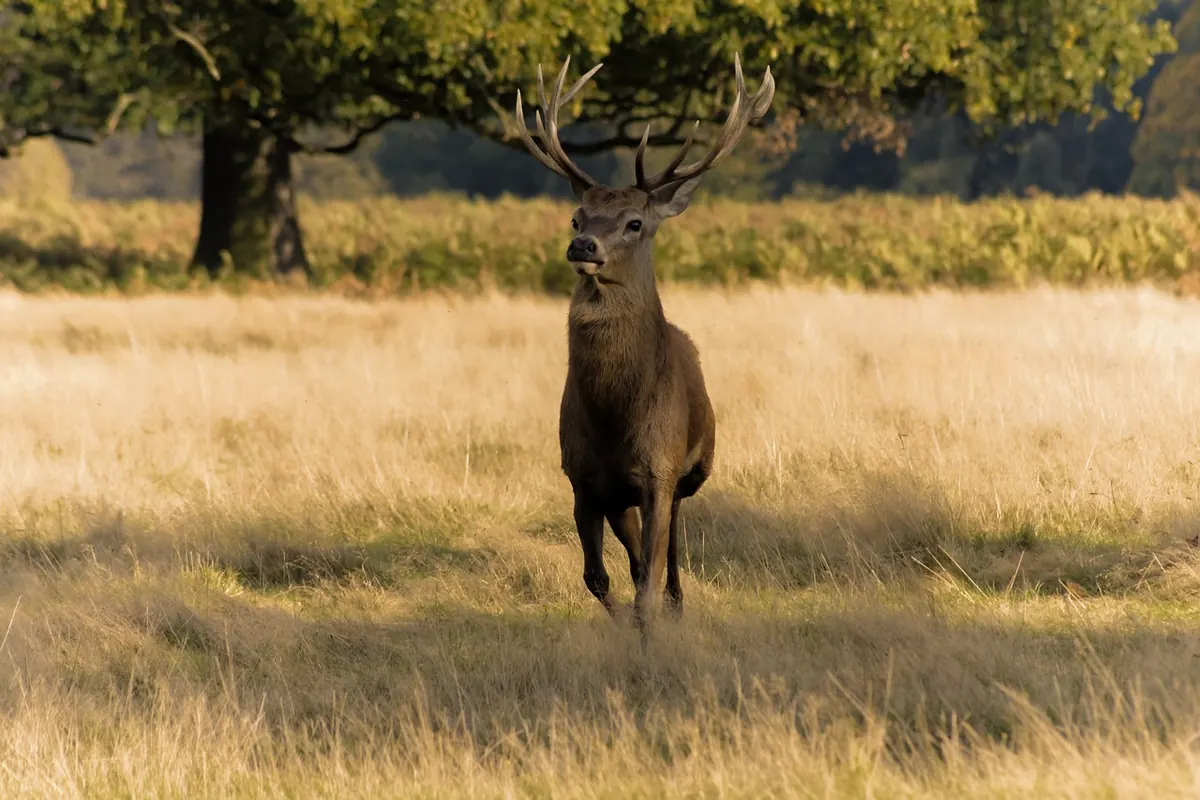
Deer, rabbits and grey squirrels can quietly hold back the next generation of trees. You may see a wood with plenty of old trees and almost no young ones. Look for browsed shoots, frayed stems and a browse line. The answer is not always a fence. Temporary fencing around regeneration patches can work, but it is expensive and needs maintenance. In some cases, legal deer management is necessary; take professional advice and follow the law. Tree guards can help individual trees, but they must be checked and removed. The aim is to give young trees a chance, not to turn the wood into a fortress.
6. Compacting soil and rutting with machinery
Heavy machinery in wet conditions can leave ruts that last for decades. Compacted soil sheds water, starves roots of air and makes it hard for seedlings to establish. Plan work for drier periods if you can, and use brash mats or tracks to spread weight. Work from existing rides where possible. For small woods, hand tools, a winch or a small forwarder may do less damage than a large machine. If rutting happens, avoid driving over it again; rake out the edges and let water find its way. Prevention is far easier than repair.
7. Neglecting boundaries, rides and edges
Restoration often focuses on the trees and forgets the edges. Rides, glades, hedge banks and woodbanks are among the richest habitats in a wood. They provide flowers, insects and sheltered flight lines. A ride that is mown short or shaded out loses its value. Instead, cut rides on a rotation, leaving some sections tall each year. Scallop the edges so sunlight reaches the ground. Repair boundary banks and hedges with local materials. Keep ditches clear but not over-deep. These small features make the whole wood more resilient.
A practical order of work
Before you start, walk the wood in every season. Make a rough map of wet areas, old coppice, invasive species, browsing damage and access. Decide what the wood is for: wildlife, timber, public access, or a mix. Then work in small, reversible steps.
- Start with safety and access. Remove obvious hazards near paths and boundaries, and check for protected species before any work.
- Tackle invasive species such as rhododendron, cherry laurel or Himalayan balsam before they spread further.
- Thin lightly, leaving deadwood in place. Work in phases over several winters rather than one big operation.
- Monitor and record. Photographs from the same spots each year will show you how the wood is responding.
- Get advice early if you are unsure about felling licences, drainage, dangerous trees or legal deer management. A qualified woodland adviser or the relevant countryside agency can save you from costly mistakes.
A restored wood is not a finished project; it is a long conversation. Listen more than you cut, and the wood will tell you what it needs.
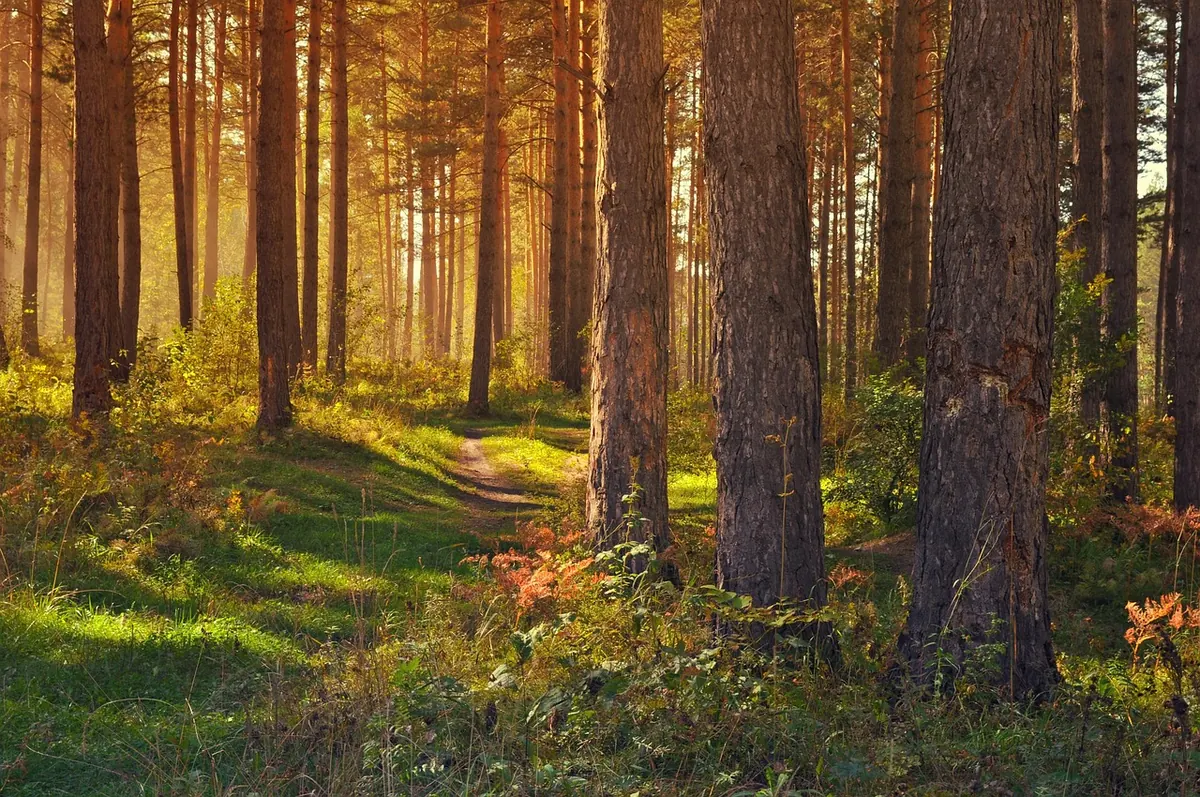
Photo: Larisa-K / Pixabay